
Why Do We Launch Art Into Space?
A Philosophical Discussion on the First Day of the Year

Happy New Year!
When you think of rockets launching into the vast expanse of space, what comes to mind? Scientists in lab coats? Engineers meticulously checking data? Perhaps astronauts gazing out of a spacecraft window?
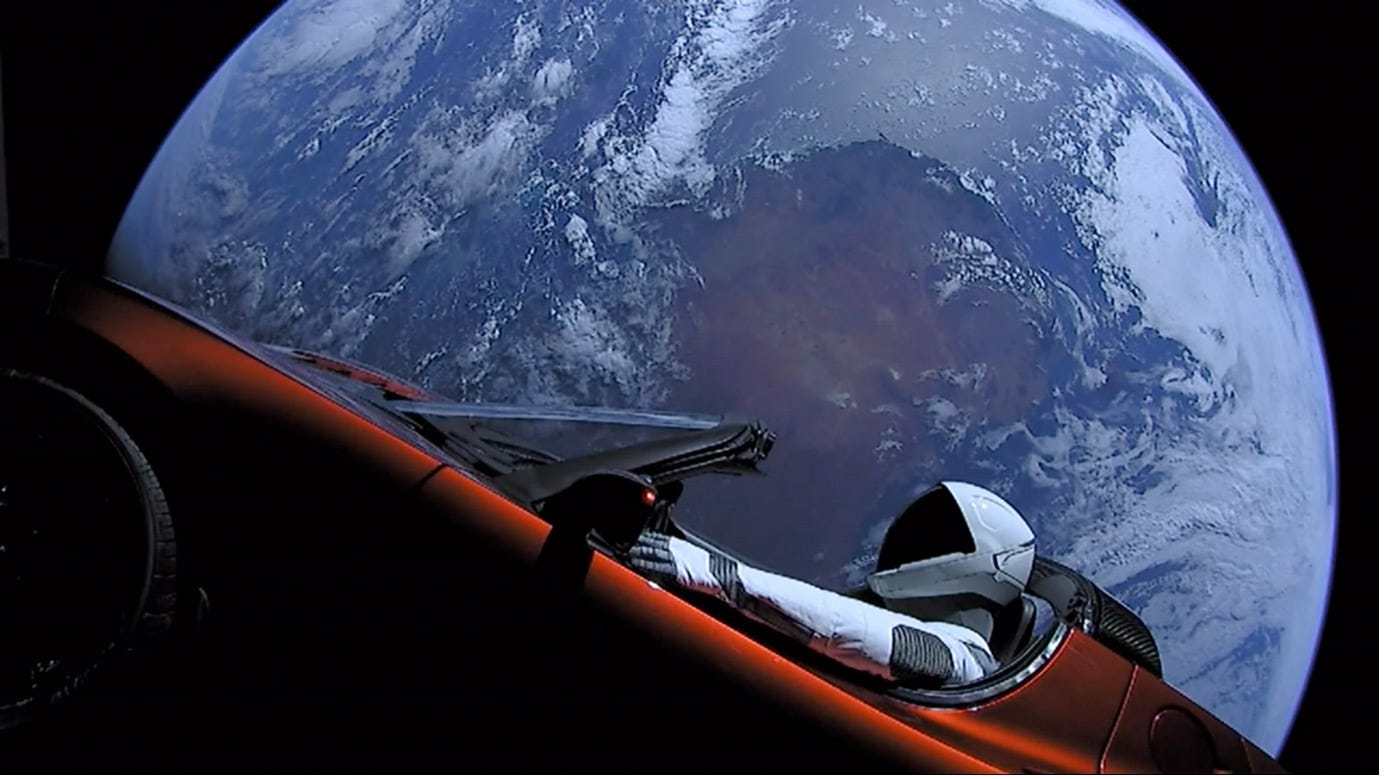
Now imagine something else - a painting, a sculpture, or a piece of music traveling alongside them. It might seem unexpected, but for decades, humanity has been sending art into space. Art and science share a common purpose: to explore, imagine, and push boundaries. Space, as the ultimate frontier, has become a unique canvas where these two disciplines converge to create something extraordinary.
Art as a Reflection of Humanity
When we send art into space, we are sending not objects but stories. Art has always been humanity's mirror, reflecting who we are, what we dream, and how we understand our place in the cosmos. In the context of space exploration, this reflective power becomes even more profound.
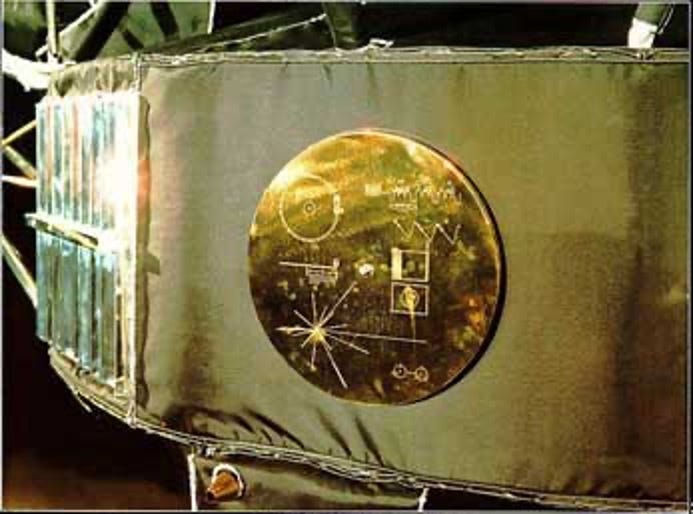
Take the Voyager Golden Records. Encased in gold and attached to two spacecraft now traveling through interstellar space, these records contain music, sounds, and images meant to represent Earth. What’s striking is the breadth of creativity packed into these discs - classical music alongside folk songs, the sound of a kiss juxtaposed with a mother’s voice comforting her child. It’s an informative message but also it’s an emotional one. It’s humanity saying, "This is us - our fears, our joys, our dreams."
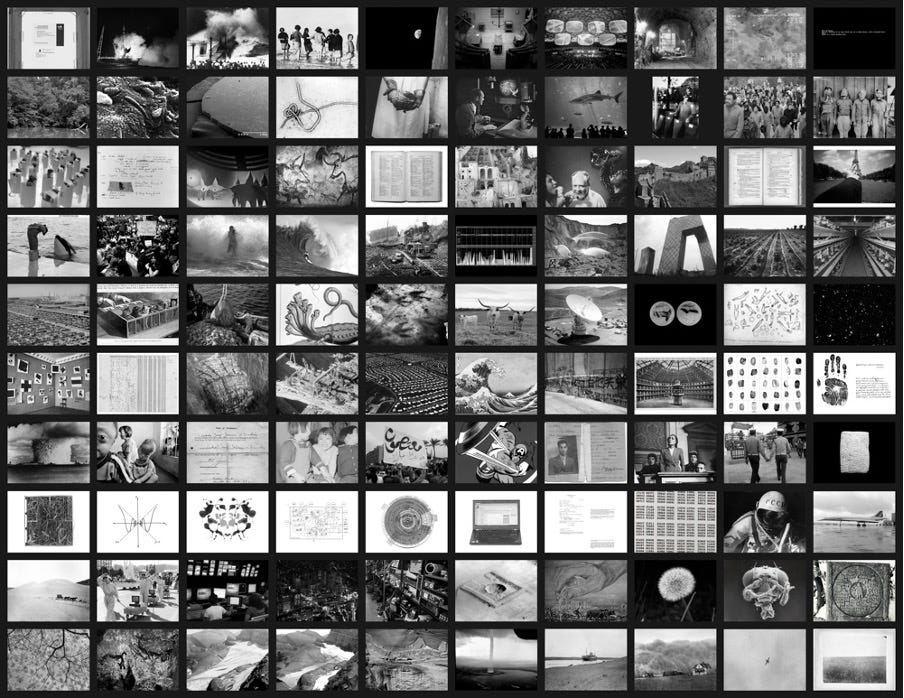
Art in space doesn’t only speak to extraterrestrials; it speaks to us. By launching pieces of our culture beyond the confines of Earth, we affirm their value. Trevor Paglen’s The Last Pictures is a powerful example of this. In 2012, Paglen collaborated with scientists to etch 100 photographs onto a golden disc that now orbits Earth aboard a communications satellite. Designed to last billions of years, this work serves as a reminder of the impermanence of everything else.
Why does all this matter? Because art allows us to process the enormity of space exploration in ways that science alone cannot. A spacecraft can map the surface of Mars, but art can make us feel what it means to reach another world. It bridges the cold distances of space with the warmth of human experience, transforming data into meaning.
The Philosophy of Exploration Through Art
Art and exploration have always gone hand in hand, driven by a shared curiosity about the unknown. When humanity ventures into space, the act itself is inherently creative - a leap into uncharted territory fueled by imagination. Art amplifies this journey, giving it a deeper layer of meaning.
Space is a physical and a conceptual frontier that represents the vast, unanswerable questions about existence, the universe, and our place within it. Art steps in where science meets mystery, offering a way to grapple with ideas that data and equations can’t fully explain.
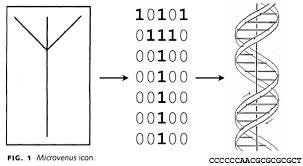
Take Joe Davis’s Microvenus, a groundbreaking fusion of art, science, and philosophy. In 1986, Davis encoded an ancient symbol of female fertility, a yoni, into the genetic structure of an E. coli bacterium. This microorganism was intended to be sent into space, carrying a cultural and philosophical message about life, reproduction, and creativity. Though the project never launched, it demonstrated the potential of bioart to intersect with space exploration, challenging how we think about the messages we send and the materials we use to represent humanity.
In a way, the philosophy of launching art into space mirrors the philosophy of exploration itself: both seek to leave a mark, to transcend limitations, and to connect with something greater. Art in space is an invitation to think beyond practicalities and reflect on the significance of our journey. Why do we go to the stars? Not just to gather knowledge, but to understand ourselves in the process.
Collaboration Between Artists and Space Agencies
The partnership between artists and space agencies is a powerful collaboration that expands the narrative of exploration. By inviting artists to contribute their perspectives, space agencies infuse their missions with a sense of creativity that resonates with the public in ways data alone cannot.
One notable example is NASA’s longstanding art program, which dates back to the Apollo era. Through this initiative, artists were invited to capture the excitement and significance of space exploration. Norman Rockwell, Andy Warhol, and others contributed works that interpreted the space age through their unique visions, providing an emotional lens to accompany the technical achievements of the time.
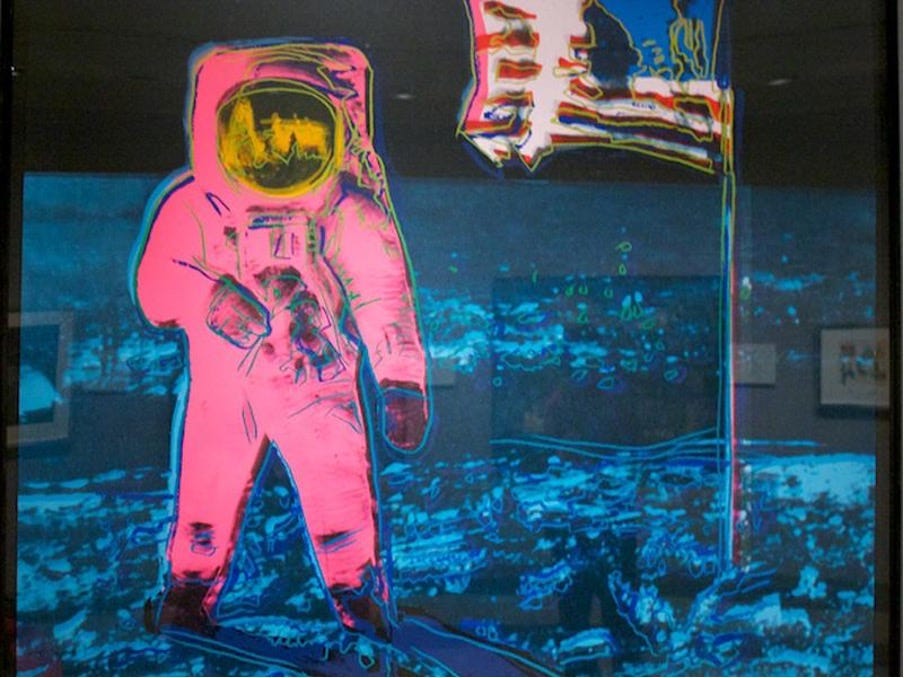
ESA has taken a similarly innovative approach with its artist-in-residence programs. These residencies allow creators to immerse themselves in the science and technology of space missions, resulting in works that challenge how we perceive exploration.
These collaborations help engage the public, making space exploration more relatable and accessible. By working together, artists and scientists highlight the multifaceted nature of exploration.
Art on the Moon and the ISS
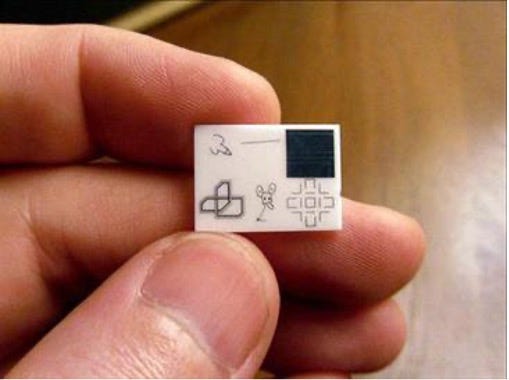
The Moon Museum was one of the earliest attempts to place art directly in space. This small ceramic tile, covertly attached to the Apollo 12 lunar module, featured works by six artists. Warhol’s contribution, a minimalist doodle often interpreted as a rocket, his initials or a penis (it’s so human to sent a dick pic to the Moon…), symbolized the playful yet profound notion that art deserves a place in humanity’s greatest adventures. Although small and unofficial, the Moon Museum was a pioneering statement about how human creativity could accompany our scientific achievements.
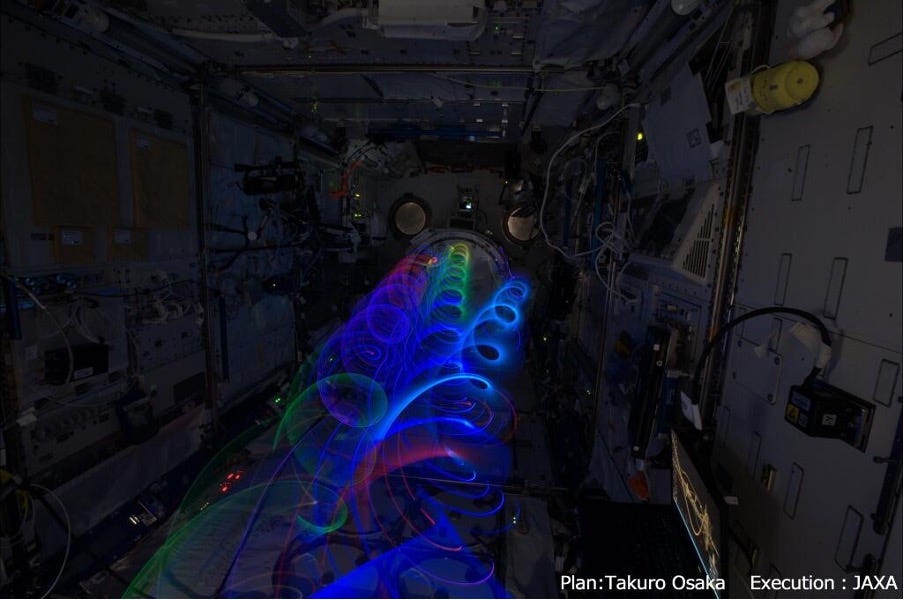
On the International Space Station, art continues to inspire and connect. Over the years, the ISS has hosted a range of artistic projects, from sculptures designed for microgravity to performances streamed back to Earth. Japanese artist Takuro Osaka’s Space Light series explored how light and movement interact in the station’s unique environment, creating mesmerizing visuals that highlight the interplay between art and science.
Art in space transforms exploration into a deeply human endeavor, intertwining discovery with creativity. Each work launched beyond Earth carries our emotions, questions, and imagination, bridging the vastness of the cosmos with the richness of human experience. As we reach for the stars, these artistic expressions ensure that our journeys resonate with meaning, leaving stories that define who we are and why we explore.
Read more:

