
Space in Design
From furniture to spacecraft Interiors

Hello, and welcome back!
When you think of “space-inspired design,” your first thought might be something straight out of a sci-fi movie: shiny furniture that looks like it belongs in a spaceship or interiors built for astronauts floating in zero gravity. And honestly, you’re not far off.
Space exploration has sparked plenty of design ideas—some brilliant, some quirky, and some that make you wonder, “Who thought this was a good idea?” From the playful furniture of the 1960s to today’s innovative spacecraft interiors, the connection between space and design has influenced both our vision of the future and the way we live today.
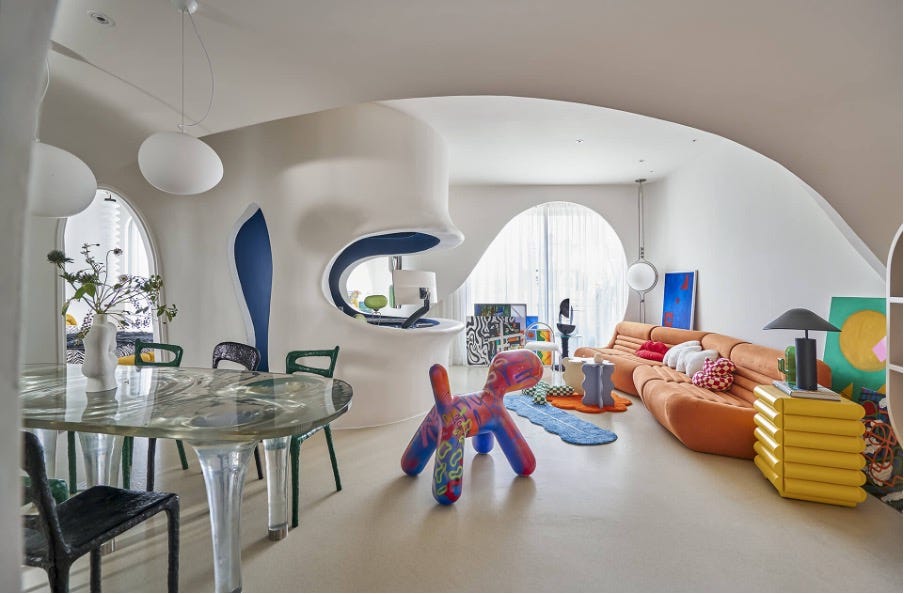
So, let’s explore how space has influenced everything from chairs to spacecraft cabins and what it all means for the way we think about design on Earth.
Space-inspired furniture design
Back in the 1960s, during the height of the space race, designers decided that if we couldn’t all hop on a rocket, we could at least make our living rooms look like we had. This era gave us what’s now known as Space Age Design, a style that was sleek, futuristic, and maybe just a little impractical.
One standout piece is the Ball Chair by Eero Aarnio. Imagine sitting inside a giant sphere: it’s cozy, futuristic, and just a little bit weird. It was the kind of furniture that made you feel like you were floating in space without ever leaving your house.
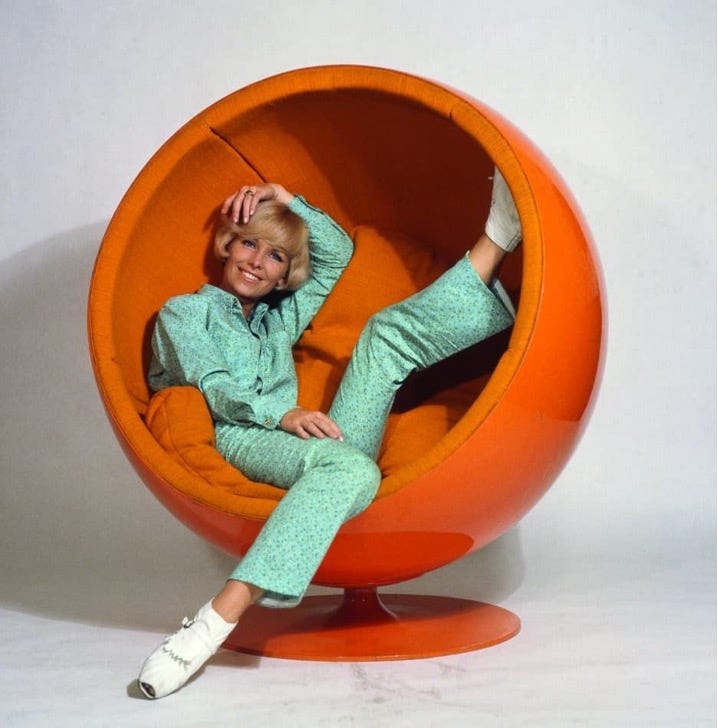
You still can buy the originaly produced Ball Chair for some 8-10k€, or the one from 1960s for about the same price.
Materials also got a cosmic upgrade. Designers started using lightweight plastics and fiberglass, which felt modern and hinted at the kind of materials used in actual spacecraft. Forget heavy wooden chairs - this was furniture for the future! Or at least, the future as imagined by someone who really loved Star Trek.
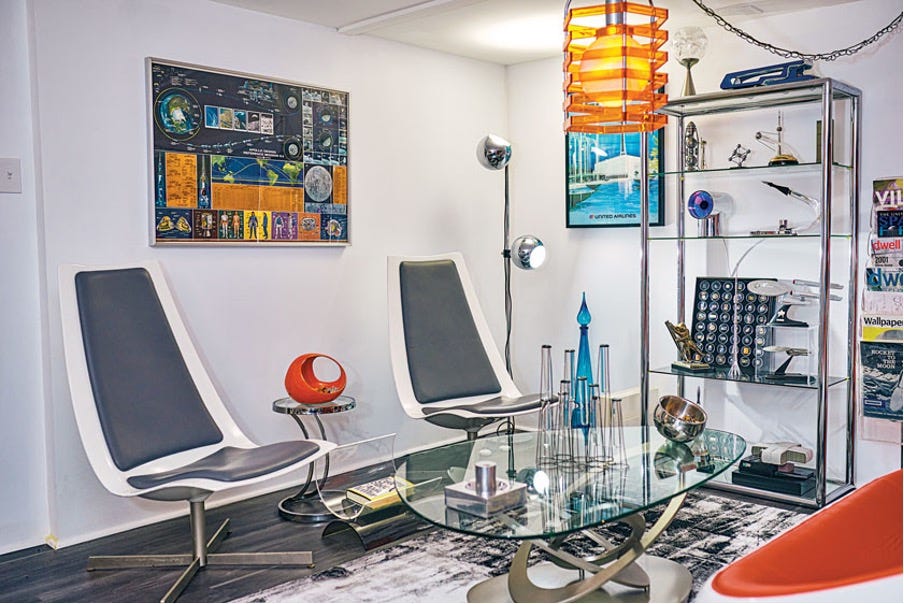
While not every piece from this era was a hit (some of those chairs looked more like art than anything you’d want to sit on), Space Age furniture marked a shift. It wasn’t about comfort and functionality anymore, it was about imagination. Designers were dreaming big, taking inspiration from rockets, planets, and the promise of the final frontier.
The evolution of spacecraft interiors
If you think designing a tiny apartment is tough, try designing a spacecraft interior. No gravity, no extra space, and astronauts who need to do everything from eating and sleeping to fixing high-tech equipment. It’s a challenge that has pushed engineers and designers to their creative limits and it’s fascinating to see how their solutions have evolved.
Early spacecraft interiors, like those in the Mercury and Apollo programs, were all about function. Imagine a cramped cockpit with just enough room to squeeze in the essentials. Comfort? Aesthetic appeal? Not really priorities when you’re trying to make sure the thing doesn’t explode. Astronauts had to strap themselves into seats and eat food out of tubes. It was less “luxury space travel” and more “survive in a metal can.”
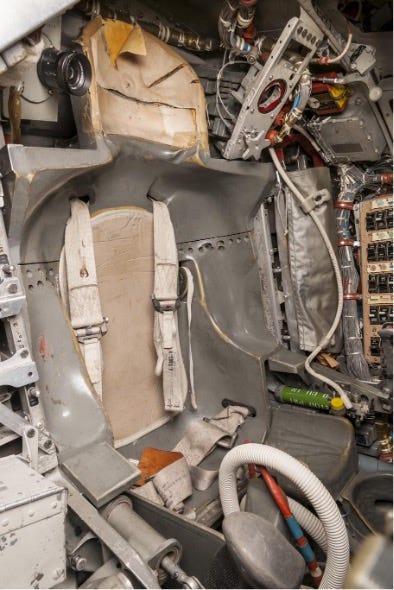
Then came Skylab in the 1970s, which took a small step toward making space livable. It was still a tight fit, but now astronauts had areas to eat, sleep, and even exercise. There were even experiments with space art - because apparently, even in orbit, humans crave a bit of creativity. And it had a SHOWER!

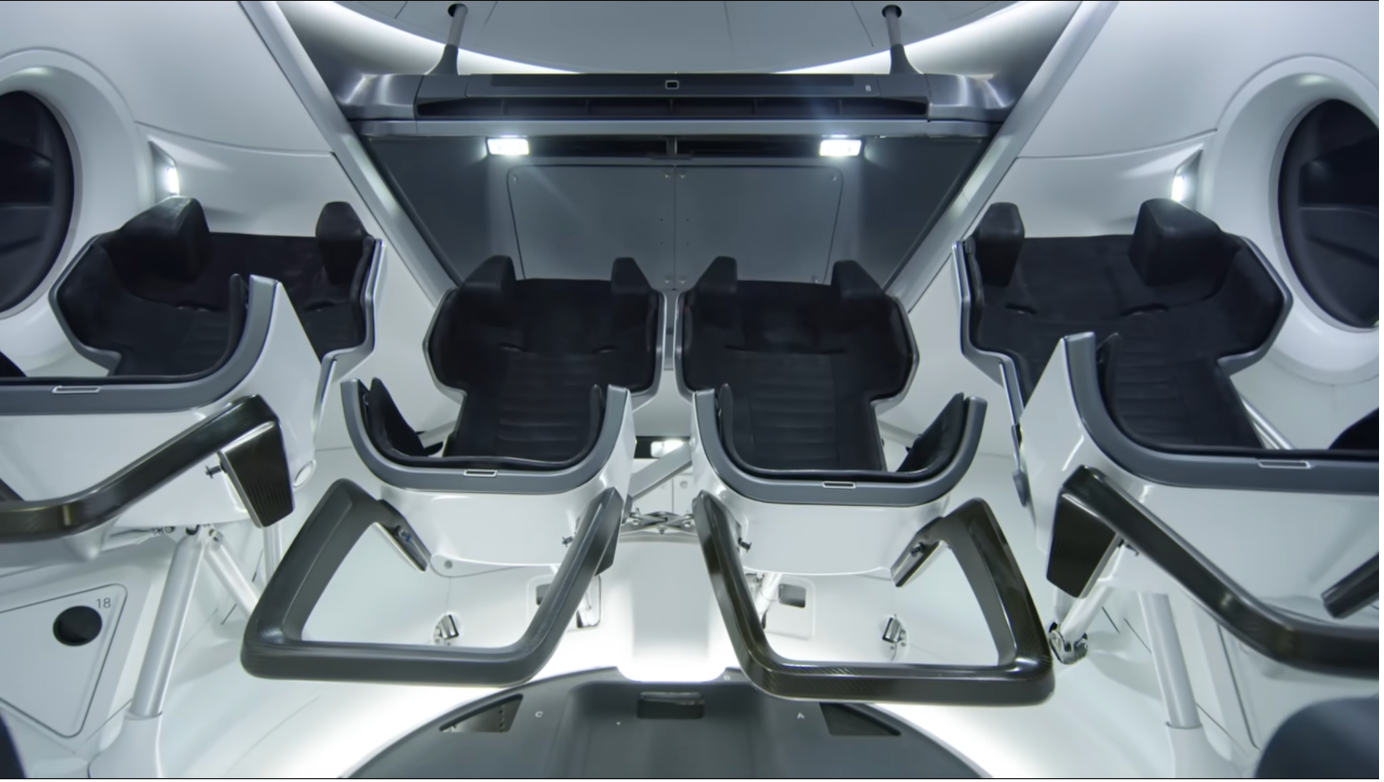
Fast forward to today, and things have come a long way. Modern spacecraft like SpaceX’s Crew Dragon show how far design has progressed. Sleek touchscreens have replaced clunky switches, and the interiors look like something out of a sci-fi movie. It’s still functional, but now it’s functional and stylish.
The influence of space design on earthly concepts
Space design has a way of influencing how we think about our surroundings. From futuristic architecture to gadgets we use every day, the impact of space exploration is easy to spot.
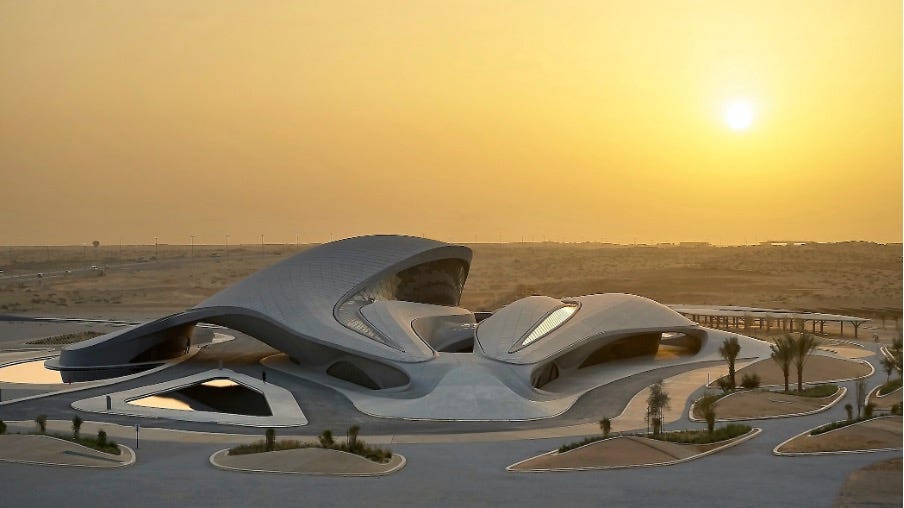
Modern architecture often draws inspiration from spacecraft and cosmic themes. Architects like Zaha Hadid created flowing, futuristic designs with innovative materials that could fit right into a Martian colony. This topic is so vast that I’m afraid to touch it in nearest future.
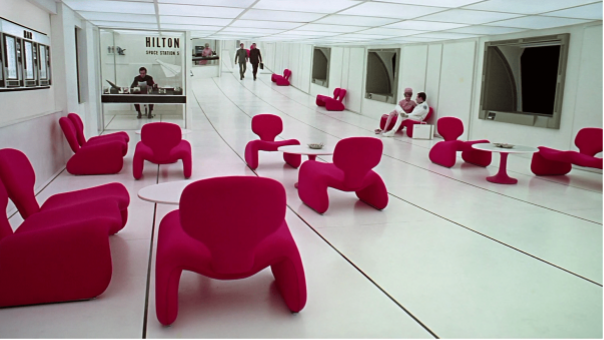
At home, the minimalist interiors popularized during the mid-20th century owe much to the Space Age design boom. Clean lines, modular furniture, and materials like aluminum reflect the optimism of a time when humanity was reaching for the stars. Sci-fi films shaped how people imagined the future. Designers took cues from these visions, creating objects that felt like they belonged in a spaceship. Chairs, lighting fixtures, and even dinnerware began to reflect a sleek, futuristic aesthetic.
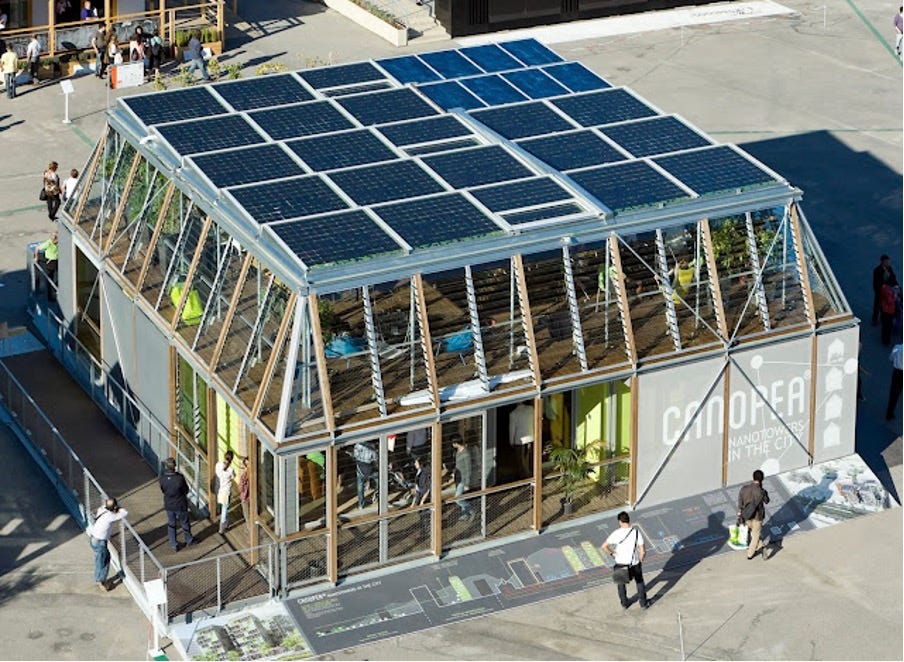
Space exploration has shaped how we live and design on Earth. Principles of efficiency and adaptability, developed for missions to other planets, are now solving challenges closer to home. Buildings designed to generate their own energy, recycle water, and adapt to environmental changes demonstrate the innovative thinking originally developed for survival in space. These advancements show how the challenges of space exploration are helping us create smarter, more sustainable environments here on Earth.
Space exploration has shaped how we think, design, and live. Its influence is visible in furniture inspired by the space race, the interiors of spacecraft, and architectural innovations that bring futuristic ideas into everyday life.
Looking ahead, the connection between space and design will only deepen. Whether creating habitats for other planets or developing sustainable solutions for living on Earth, the lessons from exploring the cosmos continue to inspire new approaches to design.
Read more:

